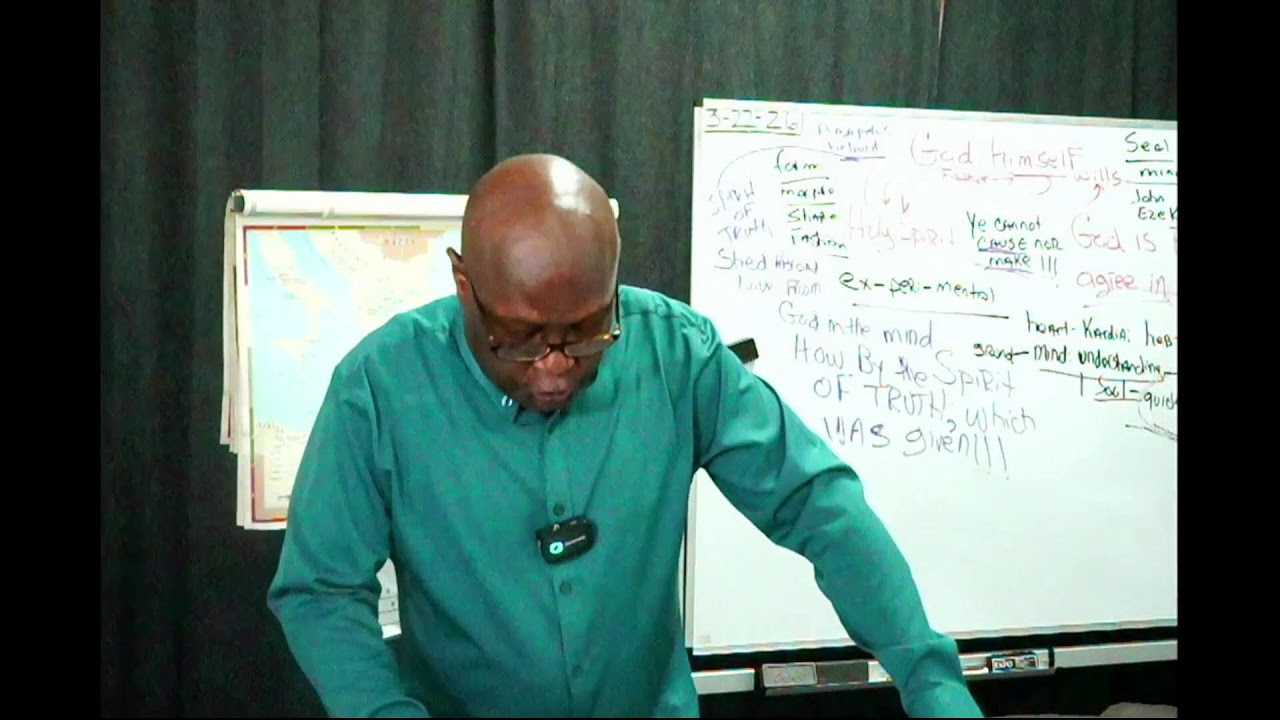

1 Corinthians 6: Who Will Inherit the Kingdom of God?
The words “in Jesus’ name” are familiar. They appear in prayers, baptisms, worship songs, and Christian conversation. Yet Scripture never treats the Lord’s name as a religious formula attached to otherwise self-directed words and actions. To act in Jesus’ name is to live under his authority, according to his character, and for his glory.
That truth gives weight to Paul’s warning about inheriting the kingdom of God. A verbal profession cannot replace repentance, and outward religious identification cannot make ongoing rebellion acceptable. At the same time, the gospel offers more than condemnation: sinners are washed, sanctified, and justified through Jesus Christ and by the Spirit of God.
The Kingdom Warning and the Gospel Promise
Paul addresses the Corinthian church with unmistakable seriousness:
“Know ye not that the unrighteous shall not inherit the kingdom of God? Be not deceived: neither fornicators, nor idolaters, nor adulterers, nor effeminate, nor abusers of themselves with mankind,
Nor thieves, nor covetous, nor drunkards, nor revilers, nor extortioners, shall inherit the kingdom of God.
And such were some of you: but ye are washed, but ye are sanctified, but ye are justified in the name of the Lord Jesus, and by the Spirit of our God.” — 1 Corinthians 6:9-11
“Be not deceived” confronts a dangerous assumption: that someone may cling to sin without repentance while remaining confident of an inheritance in God’s kingdom. Paul is not teaching that Christians achieve sinless perfection in this life. He is distinguishing between falling into sin and making peace with it—between a believer who repents and a mere professor who defends a life opposed to Christ.
The phrase “such were some of you” is filled with gospel hope. The Corinthians had not rescued or reformed themselves. God had washed, sanctified, and justified them. Justification is God’s gracious declaration that sinners are righteous through Christ. Sanctification is the Spirit’s ongoing work of conforming those justified sinners to Christ’s image. These graces must never be confused, but they must not be separated. The Christ who pardons also transforms.
The fruit of a life does not purchase salvation, but it does reveal the nature of the tree. Jesus taught that false prophets and true disciples are known by their fruits in Matthew 7:16-20. Obedience is therefore not the ground of acceptance with God; it is evidence that living faith is present.
What It Means to Live in Jesus’ Name
Paul gives a comprehensive command for Christian living:
“And whatsoever ye do in word or deed, do all in the name of the Lord Jesus, giving thanks to God and the Father by him.” — Colossians 3:17
To do something in Jesus’ name means far more than speaking his name before or after an action. It means submitting speech and conduct to the person, authority, will, and character of Christ. The question is not merely, “Was Jesus’ name mentioned?” but, “Does this word or deed agree with Jesus?”
No invocation of the Lord’s name can sanctify what he has forbidden. Sin does not become holy because it is surrounded by religious language. God warned Israel against treating his name lightly:
“Thou shalt not take the name of the LORD thy God in vain; for the LORD will not hold him guiltless that taketh his name in vain.” — Exodus 20:7
Taking God’s name in vain includes more than careless speech. Those who claim to belong to God while deliberately contradicting his character profane the name they bear. Christian profession must be joined to Christian practice.
Yet the biblical emphasis on the name of Jesus is not legalistic. His name represents the saving person and work of the incarnate Son—his righteousness, sacrifice, resurrection, authority, and lordship. Salvation is found in him alone:
“Neither is there salvation in any other: for there is none other name under heaven given among men, whereby we must be saved.” — Acts 4:12
Jesus’ name is not a magical sound. It points to Jesus himself. Eternal life is not found in religious vocabulary, church association, or human effort, but in the crucified and risen Son of God.
Love in Deed and Truth
First John connects faith in Jesus’ name with practical love for fellow believers. Christ’s sacrifice both defines love and creates a people who learn to love as he loved.
“Hereby perceive we the love of God, because he laid down his life for us: and we ought to lay down our lives for the brethren.
But whoso hath this world’s good, and seeth his brother have need, and shutteth up his bowels of compassion from him, how dwelleth the love of God in him?
My little children, let us not love in word, neither in tongue; but in deed and in truth.” — 1 John 3:16-18
Biblical love is not mere sentiment. It sees a need, feels compassion, and acts. Laying down one’s life may involve extraordinary sacrifice, but it also appears in ordinary faithfulness: giving time, sharing resources, bearing burdens, forgiving offenses, and caring for vulnerable Christians.
Words matter, but words without deeds are hollow. A person may repeatedly say, “Love is present,” while withholding mercy from a brother or sister in genuine need. John refuses to call that mature Christian love.
Jesus himself is the pattern:
“This is my commandment, That ye love one another, as I have loved you.
Greater love hath no man than this, that a man lay down his life for his friends.
Ye are my friends, if ye do whatsoever I command you.” — John 15:12-14
Christian love is distinctively Christ-shaped. It does not excuse sin under the banner of kindness, nor does it defend truth with a cold and loveless spirit. It acts “in deed and in truth.” Truth governs love, and love adorns truth.
Obedient Faith, Assurance, and the Holy Spirit
John also connects active love with assurance before God. This must be handled carefully. Obedience does not earn access to God, and a believer’s confidence does not rest on flawless performance. Confidence rests fundamentally on Christ. Nevertheless, the Spirit-produced fruit of obedient faith helps confirm that a person truly belongs to him.
“And this is his commandment, That we should believe on the name of his Son Jesus Christ, and love one another, as he gave us commandment.
And he that keepeth his commandments dwelleth in him, and he in him. And hereby we know that he abideth in us, by the Spirit which he hath given us.” — 1 John 3:23-24
Faith and love belong together. God commands sinners to believe on his Son, and that faith bears fruit in love. Where faith is living, it does not remain alone or barren.
This transformation is not produced by natural determination. Christians need the indwelling Holy Spirit, who teaches, reminds, strengthens, convicts, and leads according to Christ’s word:
“But the Comforter,
which is the Holy Ghost, whom the Father will send in my name, he shall teach you all things, and bring all things to your remembrance, whatsoever I have said unto you.” — John 14:26
The Spirit never leads contrary to Scripture. He does not empower self-exaltation or excuse disobedience. He brings Christ’s words to remembrance and forms Christlike character in God’s people. Dependence upon the Spirit therefore produces humble submission to the written Word, not independence from it.
Key Takeaways
- The unrighteous will not inherit God’s kingdom, so warnings against deception must be taken seriously.
- Justification and sanctification are gifts of grace accomplished through Jesus Christ and applied by the Holy Spirit.
- Acting in Jesus’ name means submitting every word and deed to his authority, character, and will.
- A profession of faith or baptismal identification cannot substitute for a life marked by repentance and obedience.
- Christian love must become visible through sacrifice, compassion, truthfulness, and practical care.
- Obedience does not earn salvation, but Spirit-produced obedience provides meaningful evidence of living faith.
Bring every area of life beneath Colossians 3:17. Examine speech, relationships, finances, private habits, church commitments, and responses to those in need. Where conduct contradicts Christ, confess it and turn from it. Where love has remained only verbal, seek a concrete opportunity to serve.
The warning of 1 Corinthians 6 is solemn, but its hope is glorious: “such were some of you.” Jesus Christ truly saves sinners, the Holy Spirit truly transforms them, and God faithfully completes the work he begins. Trust the name of the Lord Jesus, walk under his gracious authority, and let faith become visible through love in deed and in truth.
